
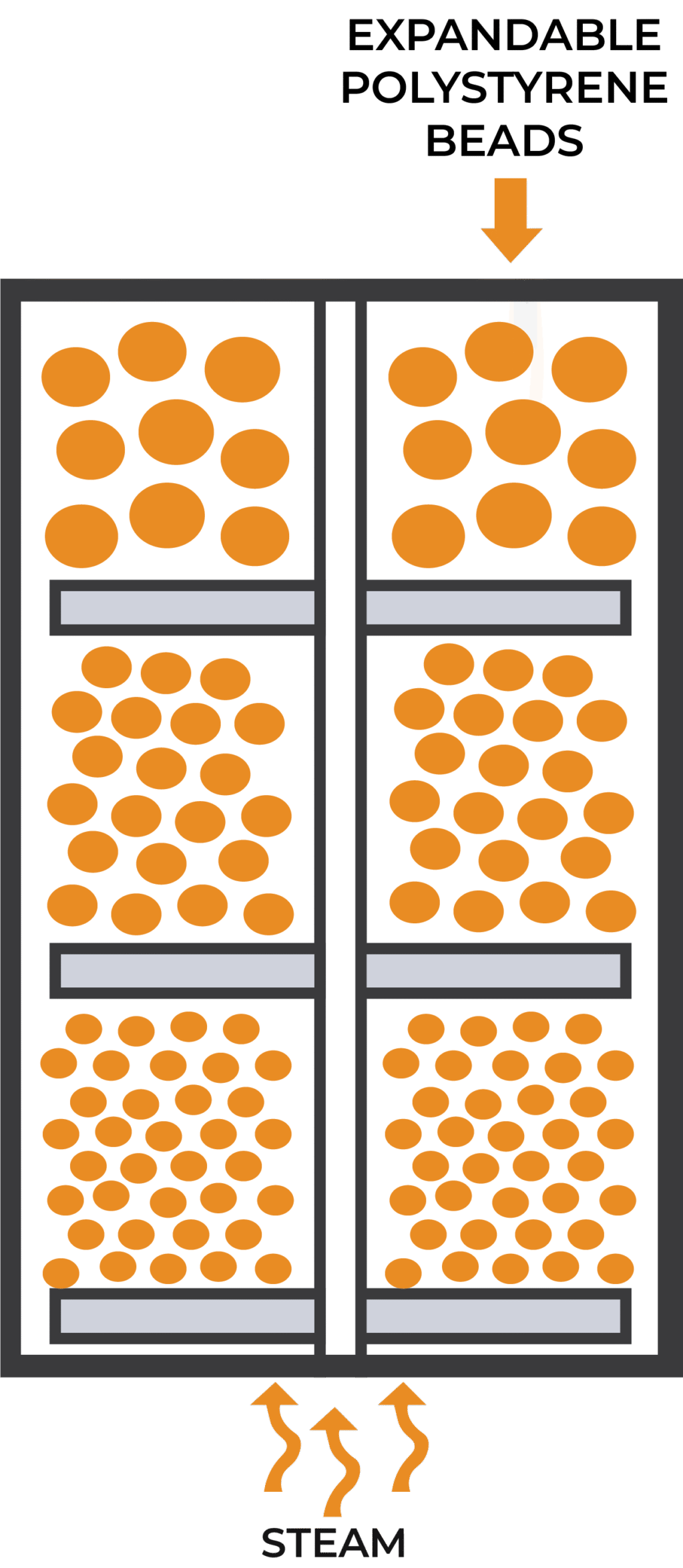
Raw EPS beads are expanded to achieve the required density for pattern formation.

Expanded beads are stored in ventilated bags to remove residual moisture — ensuring stable and uniform molding performance.
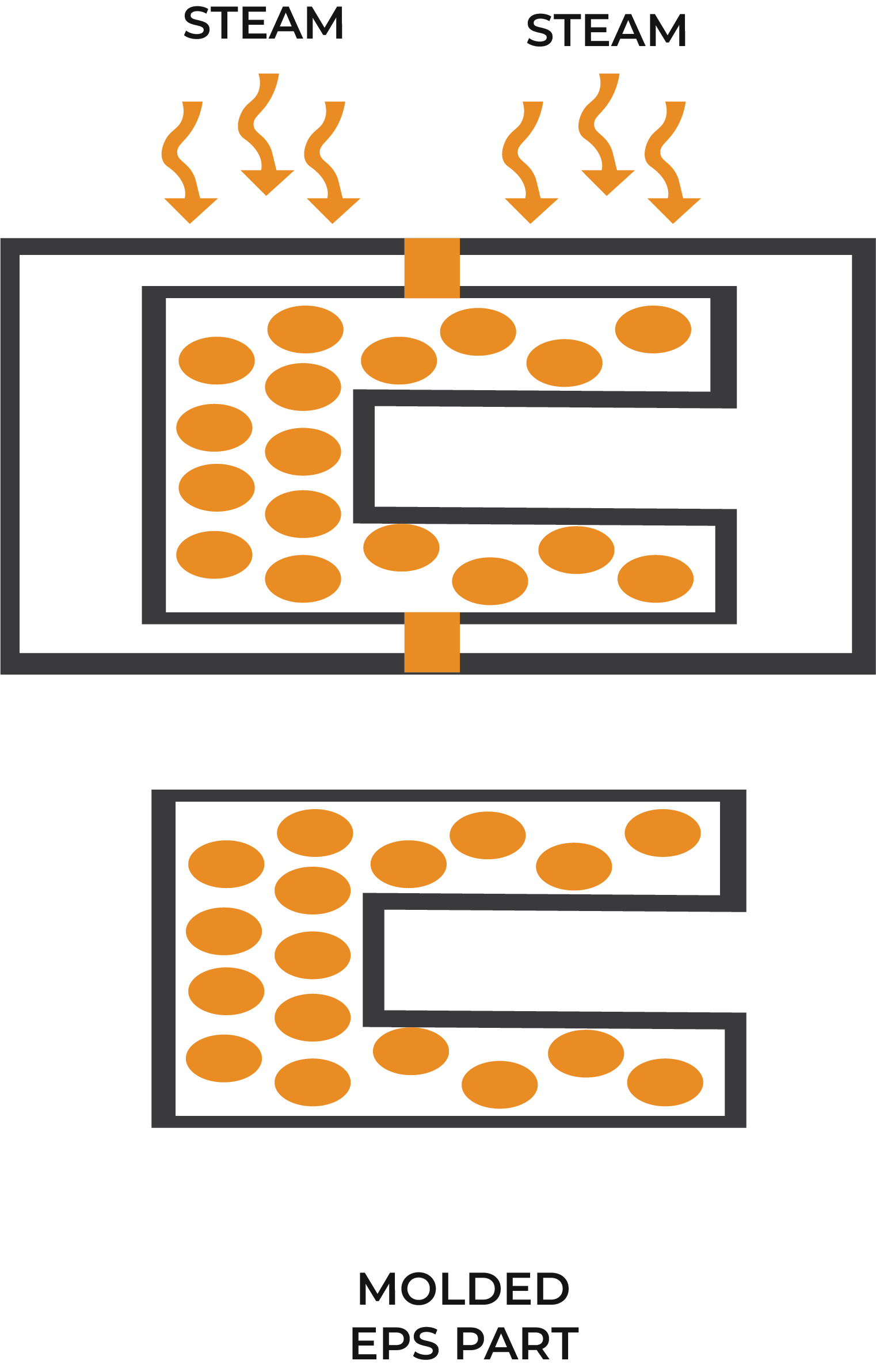
Dried beads are processed in molds using steam, water, and air to form precision foam patterns replicating the final casting geometry.
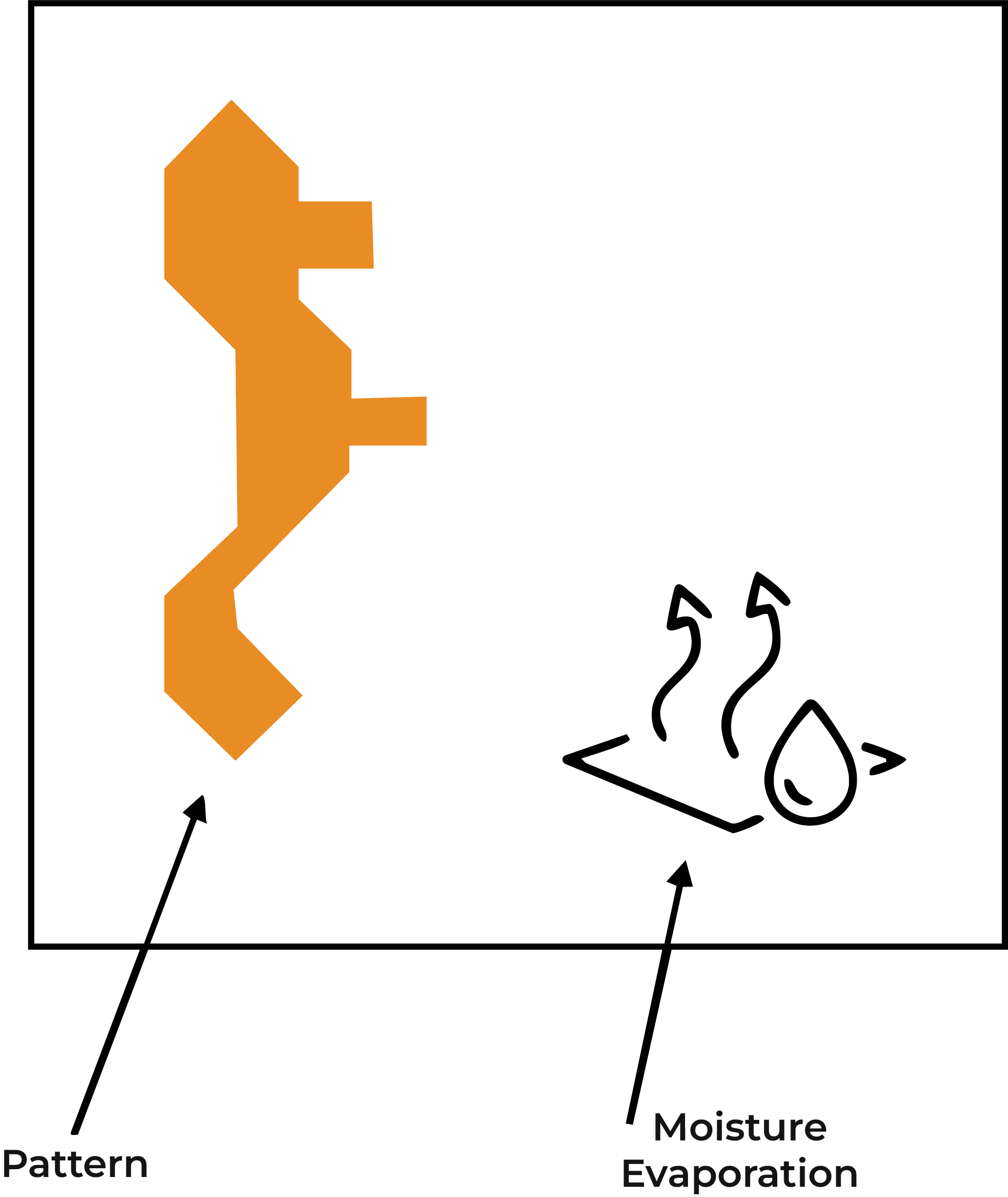
Freshly molded foam patterns are dried thoroughly to eliminate moisture and prevent defects during coating or pouring.
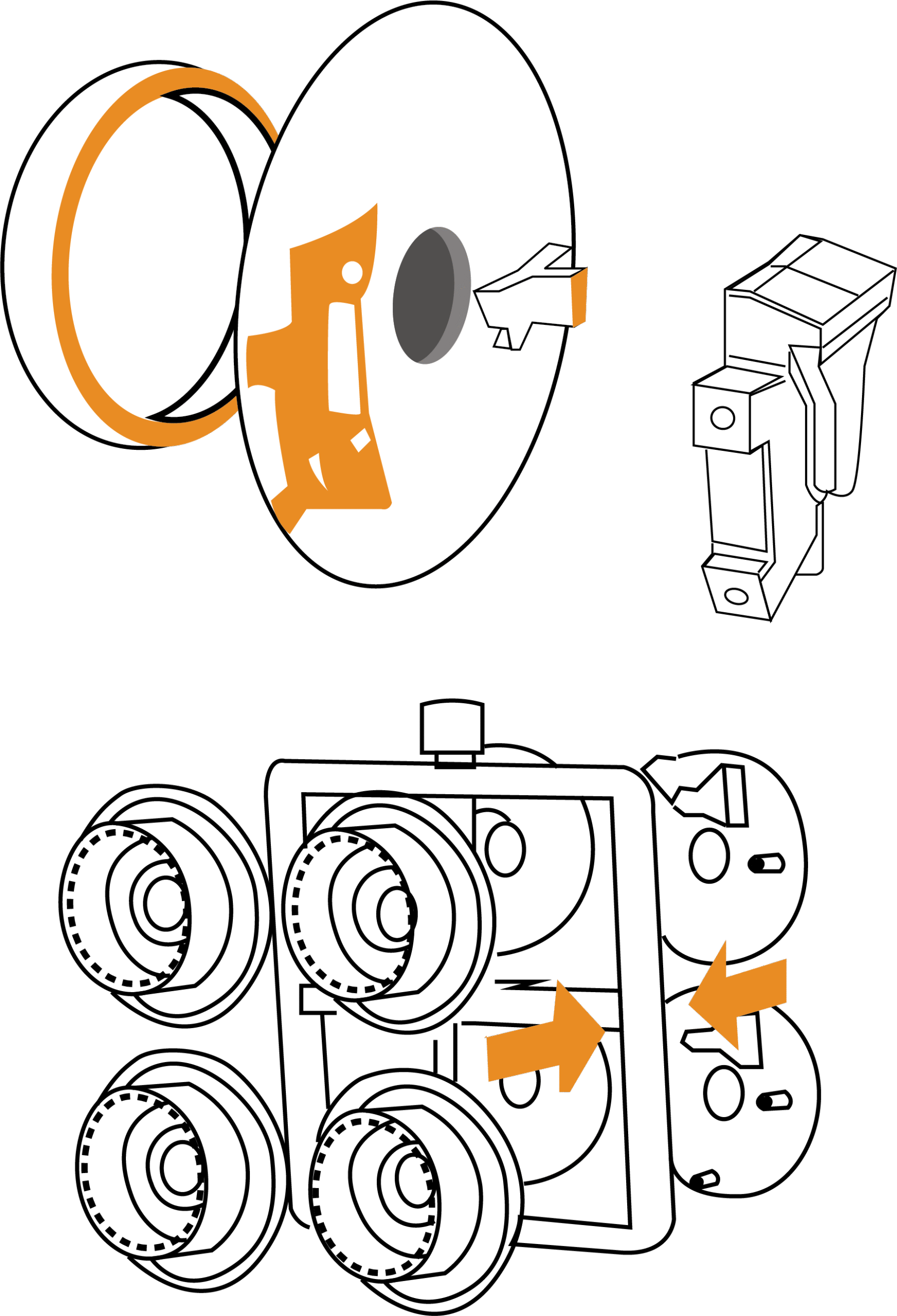
Multiple foam patterns are glued together to form a casting cluster, complete with runners and gating systems.
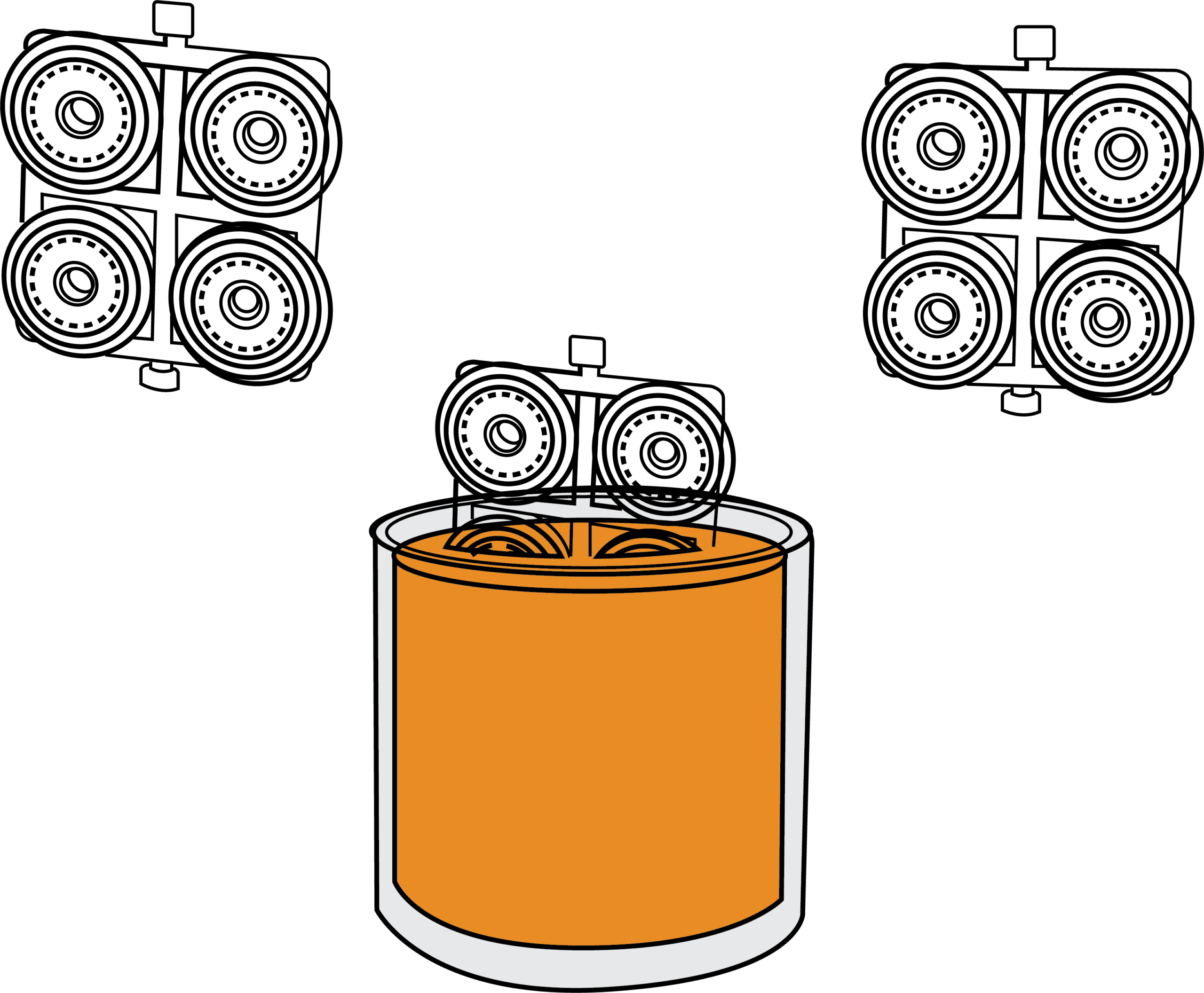
The assembled cluster is dipped into a refractory coating tank to form a heat-resistant layer that protects the mold during metal pouring.
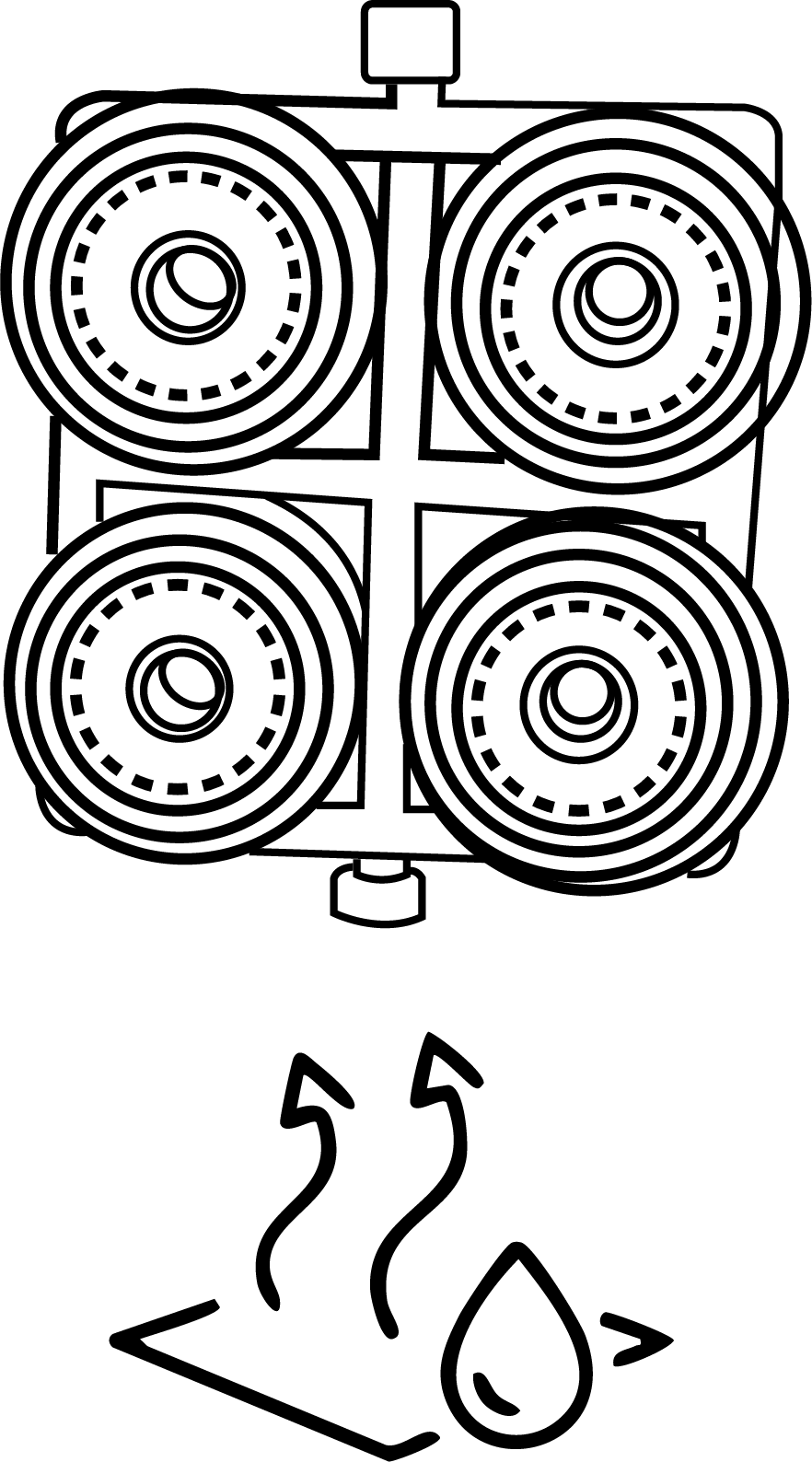
After coating, the cluster is dried again to ensure full removal of moisture — critical for safe and defect-free pouring.
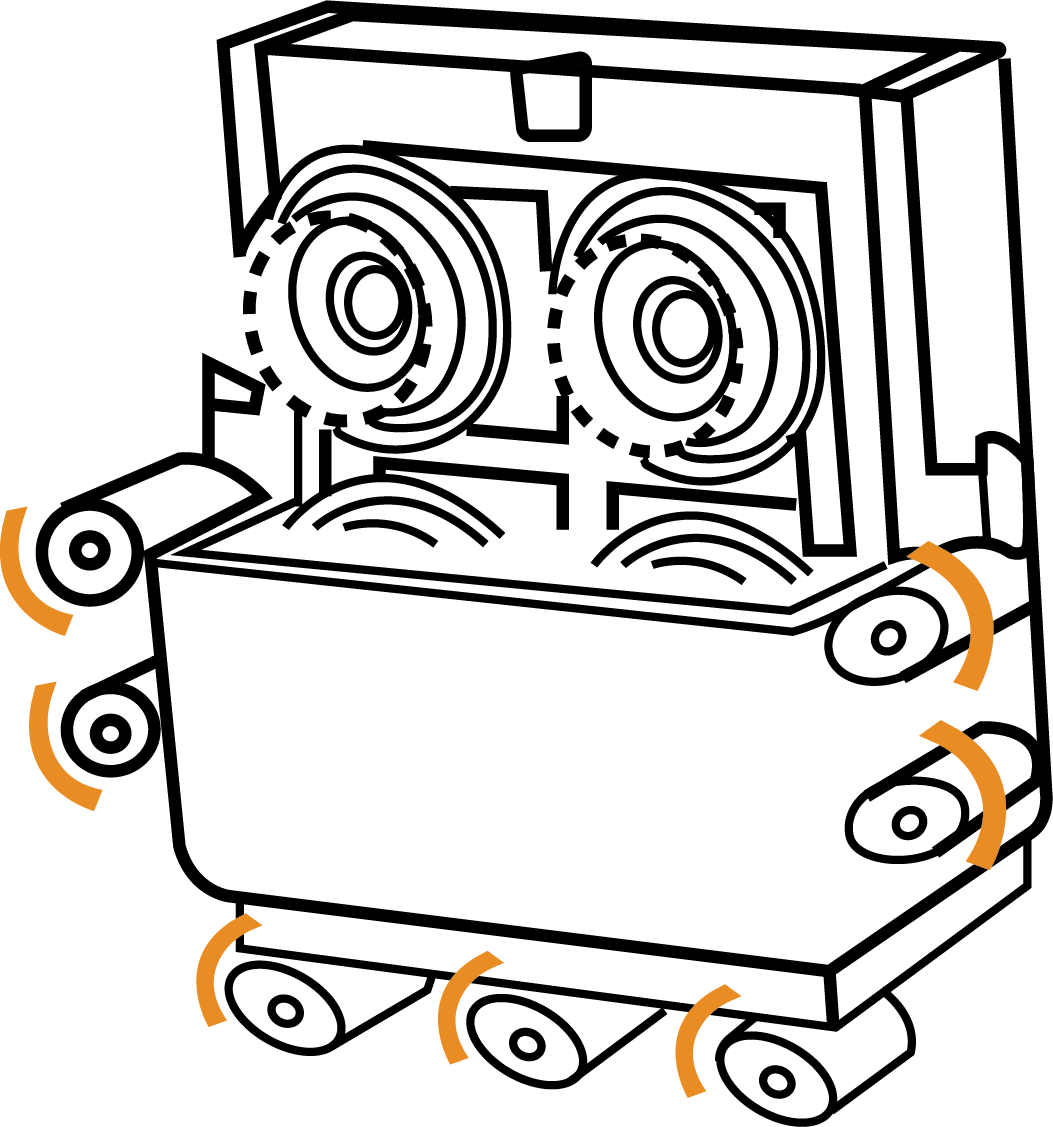
The dry cluster is placed in a mold box filled with dry sand. Vibratory motors compact the sand around the cluster, forming a stable mold.
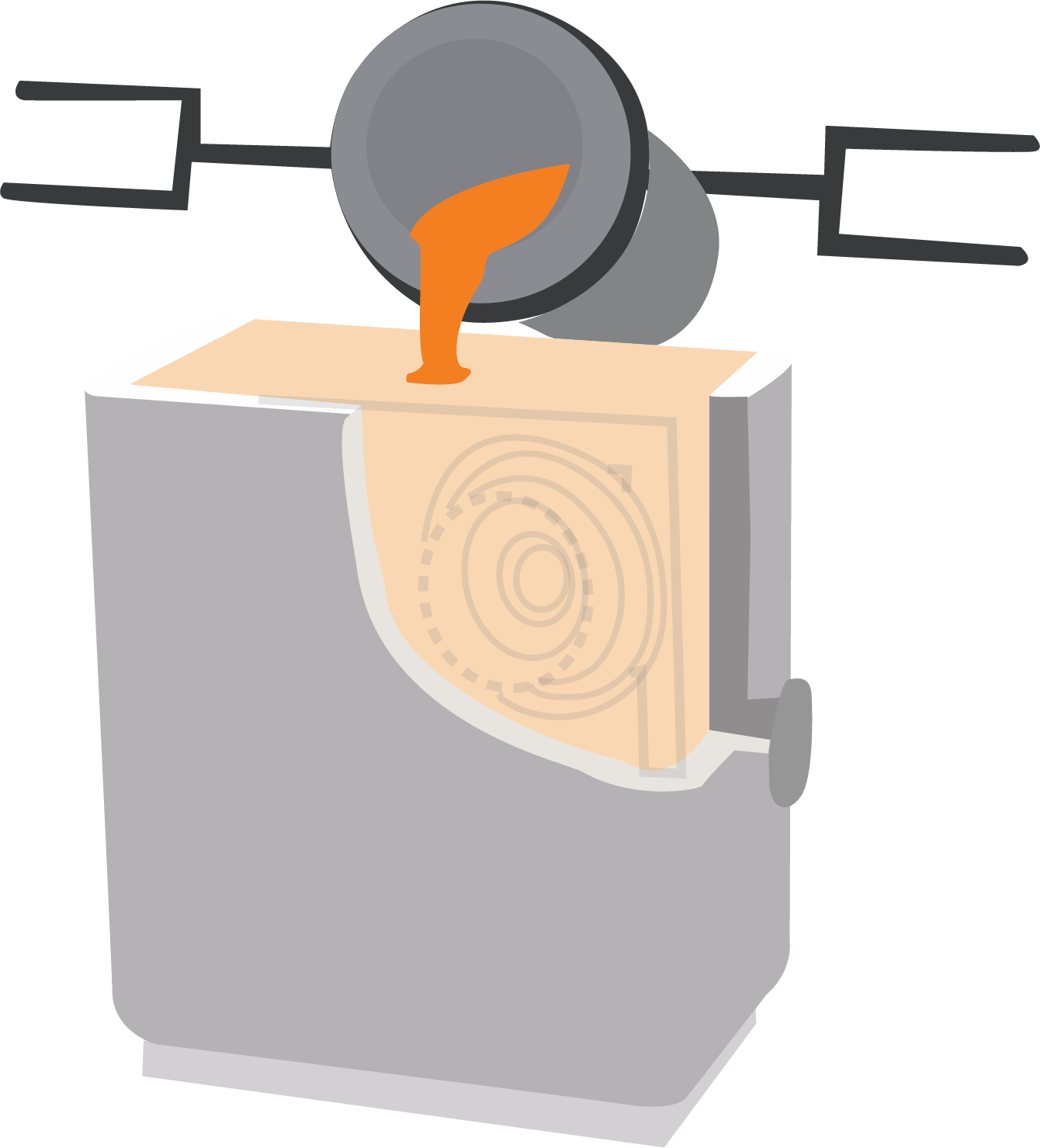
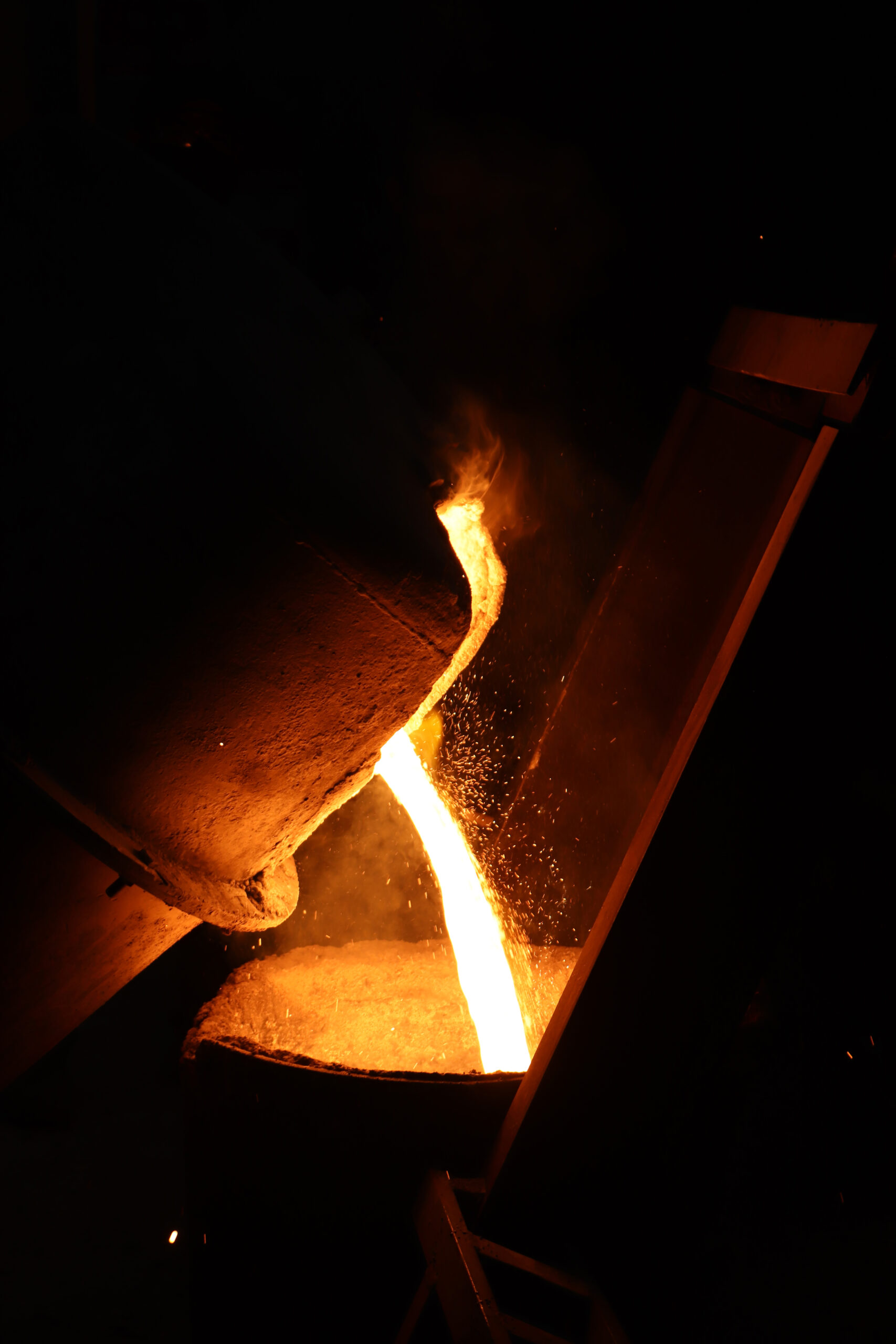
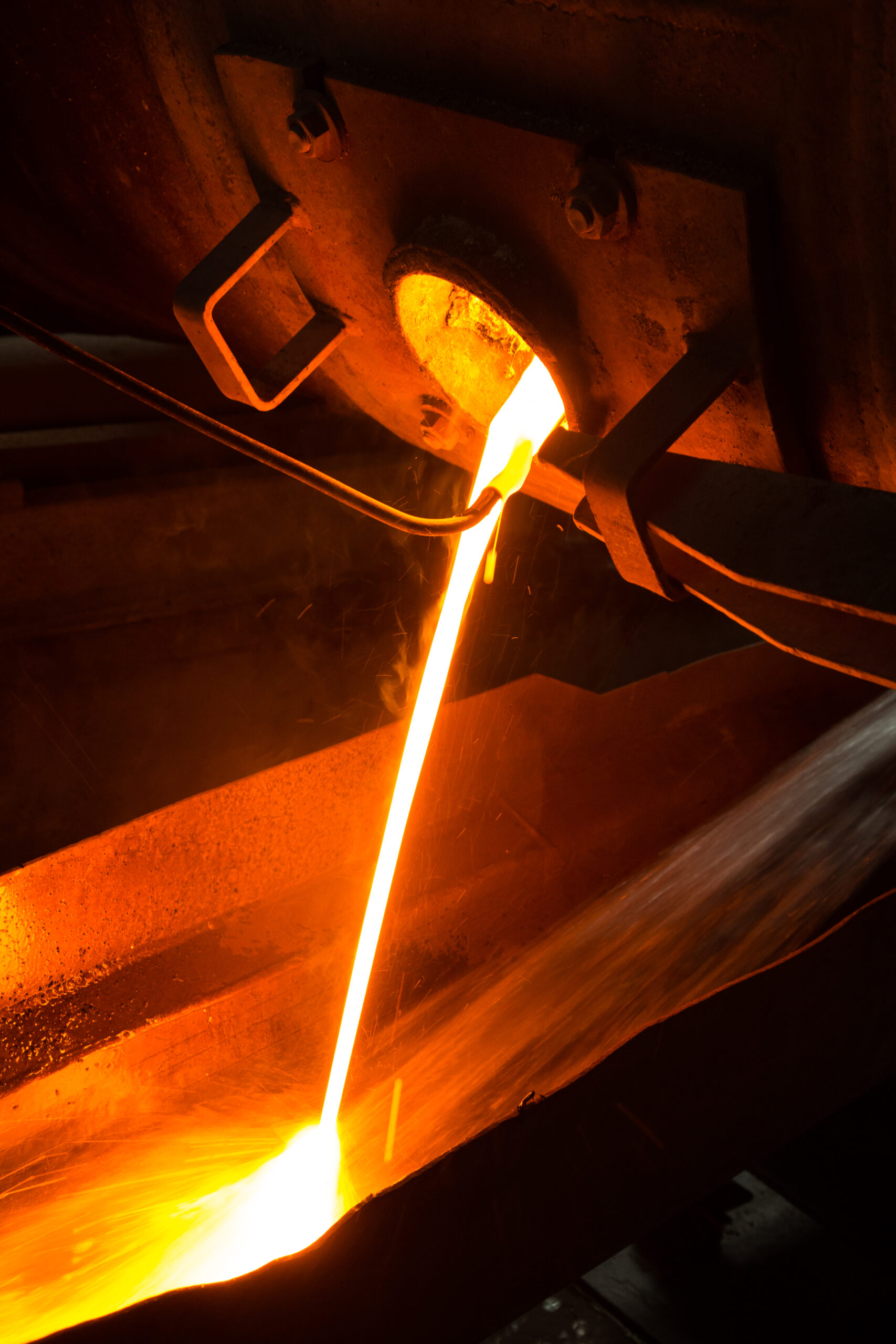
Molten metal is poured into the mold. The foam vaporizes, and the vacuum system assists in drawing metal into every cavity, ensuring full penetration and gas removal.
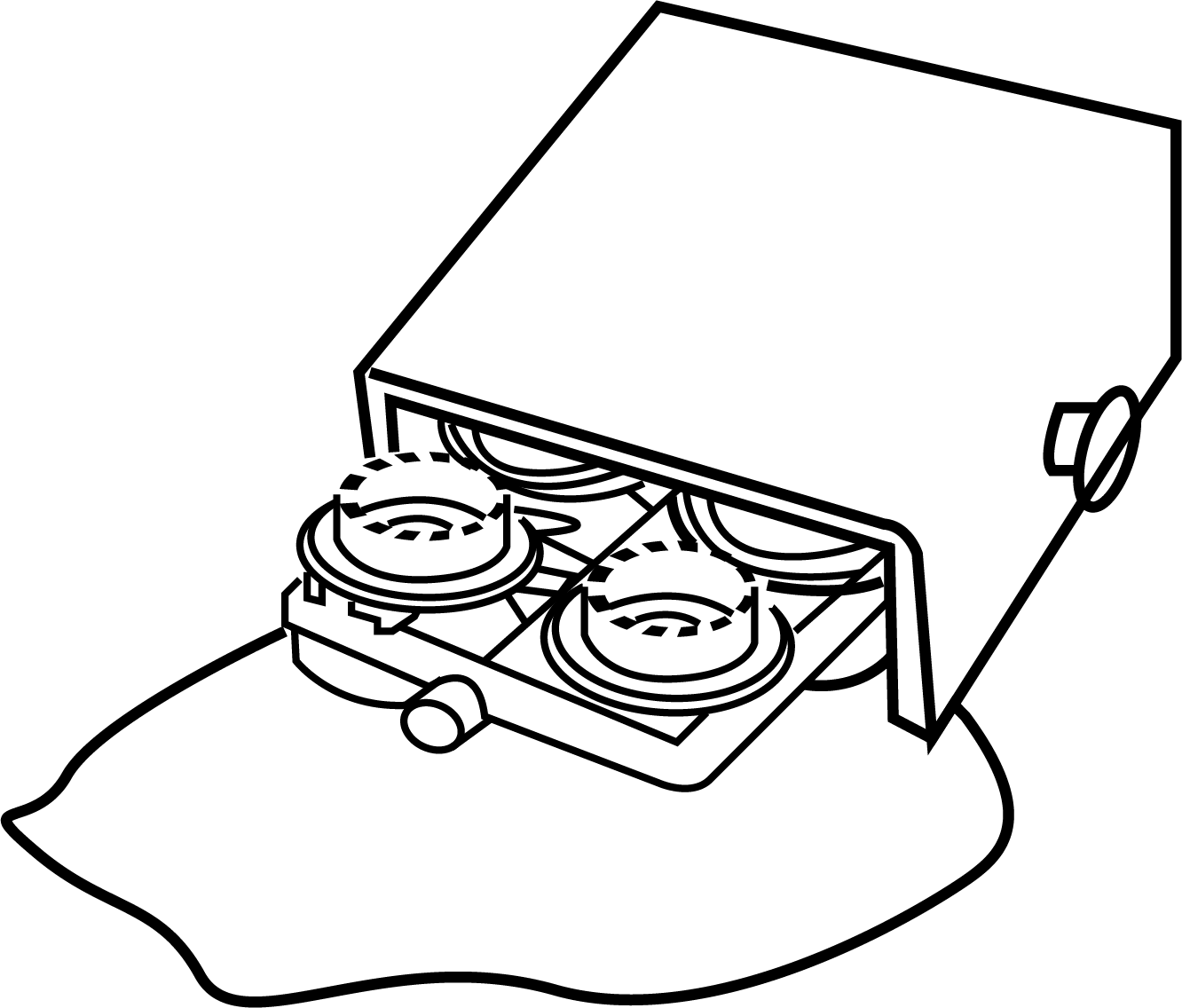
Once solidified, the casting is removed from the mold box. Loose sand is shaken out and reclaimed for future use.
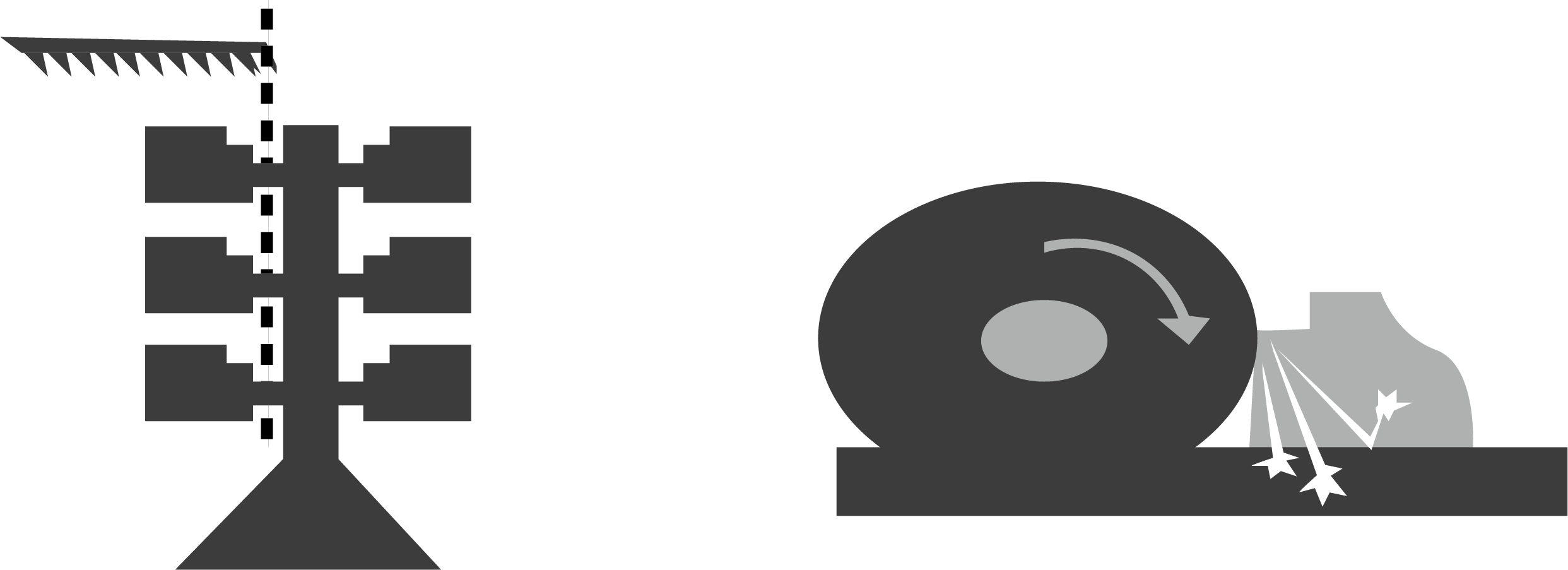
Excess material such as the gating system is removed. Final grinding and surface cleaning are performed to produce finished, high-quality castings.